
What digital signs can be placed in 2 ways: vertically and horizontally?
Capabilities digital signs are impressive: from advertising and informational messages to video presentations and interactive applications.
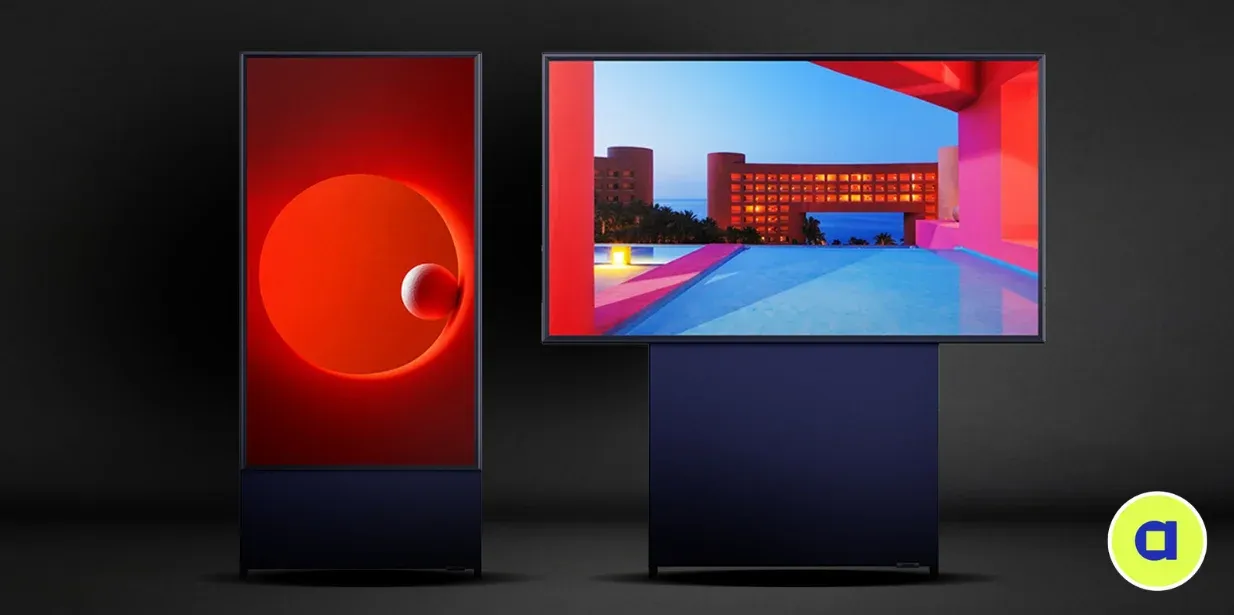
An important part of the functioning of such signs is the correct placement, considering quality content and optimal interaction with the audience.
One of the key issues is the orientation of digital signs – vertical or horizontal. Each option has its advantages and limitations, and the choice depends on specific needs and circumstances. Let’s consider the main aspects of each placement method:
Vertical placement
This orientation is often used for portrait displays and information columns. Vertical signs effectively attract the attention of passersby, especially in places where space is limited. These could be narrow corridors, parking lots, or any areas with a large number of pedestrians. Such orientation also allows for better utilization of vertical content format, for example, displaying tall portraits of people or products.
For the format of vertical signs, digital signage software that supports the corresponding format with functional capabilities can be used. Digital signage players may also have special settings for optimal content playback in a vertical position.
What displays or televisions can be installed in a vertical orientation?
At first glance, it may seem like there’s nothing complicated about installing a television in a vertical position. However, for most people, it’s difficult to imagine the consequences of such a decision. The reason is that due to structural and technological peculiarities, not all displays can be used in portrait mode.
Install a home television in portrait mode, and it will ultimately malfunction because regular TVs don’t have side ventilation holes and fans that can effectively dissipate heat, ultimately leading to overheating and device failure. Overheating of the TV caused by improper installation is not a warranty case, and you may likely be denied free repair.
Only certain models of professional displays designed for commercial use are suitable for operation under conditions of various airflow directions caused by screen rotation. Additionally, all professional displays are equipped with a sensor that prevents overheating of the device’s internal components, which ultimately affects reliability and durability. Moreover, in professional displays, crystal ingress is prevented due to the display’s purpose to work in different planes and orientations.
In addition to purely technical aspects, there is also an aesthetic aspect. On the front surface of the casings, on the frame, home televisions, or budget models of professional displays, the manufacturer’s TV logo is almost always present, and when the screen is rotated, the logo will end up on the side of the screen.
Moreover, quite often the width of the frames around the screen varies, the bottom frame of the TV can be significantly thicker than all others. Obviously, all these factors affect the appearance of the entire installation. Therefore, managers concerned about the company’s image choose professional displays designed for use in portrait orientation, with frames of uniform thickness around the perimeter of the screen.
Horizontal placement
Horizontal signs are typically used for widescreen displays and large screens. They are ideal for presentations, video advertising, and interactive displays. Horizontal placement provides a wide viewing angle, making it an ideal choice for places with a large number of people in open spaces, such as hotel lobbies, airports, or shopping centers.
Digital signage software designed for horizontal displays typically has advanced capabilities for playing large-format video and audio content. It may also have tools for dividing the screen into multiple zones for simultaneous display of different content.
With the commoditization of technology, the number of installed screens is constantly increasing, and they are usually installed horizontally out of habit. However, in some cases, vertical screen placement is not possible for various reasons: lack of appropriate content or technical limitations. For example, sports bars and other establishments where television signals are broadcast; screens in cinemas showing trailers; LED signs. On other screens, in my opinion, vertical screen orientation is more justified.
Additionally, it’s worth considering that vertical screen placement may attract more attention from viewers, especially in conditions of limited space. Vertical signs can be more effective for displaying tall portraits of people or products, as well as for providing convenient viewing of informational messages or advertisements. This approach allows for better space utilization and ensures greater information density, which is a key success factor in today’s digital environment.
Choosing the optimal screen orientation
When choosing between vertical and horizontal placement, it’s important to consider specific needs and the characteristics of the audience. For example, younger audiences are accustomed to consuming content in a vertical format like on smartphones, while older generations more often watch television, which has a horizontal screen orientation. It’s also important to consider the technical capabilities of the equipment, access to ports, and the availability of space for signage placement in the city where you plan to install.
Furthermore, it’s necessary to select the appropriate digital signage software and players that will meet the needs of your project. This could be a content management system (CMS) that allows centralized content management across all signs, or specialized digital signage software with advanced video playback and interactive content features.
In the concept of digital signage, regardless of their orientation, quality and engaging content that captures attention and effectively communicates messages to the target audience is crucial. By considering all these aspects, maximum efficiency of digital signage can be achieved, ensuring the success of your project.
Digital signage software: Selection and features
When discussing digital signage, it’s impossible to overlook the issue of software that ensures their operation and functionality. This is a key element that determines the effectiveness and capabilities of digital signage regardless of whether they are vertically or horizontally positioned.
Let’s consider some key aspects of digital signage software and its impact on their operation:
1. Functionality: Choosing the right software will provide the ability to display various types of content – from images and videos to audio and interactive applications. Some digital signage software may also support remote management via the Internet, allowing for remote content updates and signage control from anywhere.
2. Device compatibility: It’s important to choose software that is compatible with the devices being used – digital signs and players. This ensures smooth system operation and avoids device incompatibility.
3. User-friendly interface: The software should have a clear and intuitive user interface that allows for quick and easy content updates on the signs. This is especially important for organizations that regularly need to update information.
4. Management and analytics features: Ideally, the software should have built-in tools for analyzing campaign effectiveness and tracking results. It’s also important to have the ability for centralized content management across all signs from one location, streamlining the management process.
5. Reliability and security: The software should be reliable and provide protection against unauthorized access to the signs and their content. Regular updates and support from the manufacturer are also important for ensuring security and stability.
The above-mentioned aspects are just a part of the important characteristics of digital signage software. When choosing, it’s important to carefully assess the needs and requirements of your project, as well as pay attention to user feedback and recommendations from industry experts. Regardless of the chosen software, it’s important to remember that it is a key element of successful implementation of digital signage and achieving their maximum potential in the context of digital advertising and informational needs.
In conclusion, choosing between vertical or horizontal orientation for digital signage screens is an important task that requires careful analysis of equipment’s technical capabilities, audience needs, and aesthetic aspects. The correctly chosen orientation will contribute to effective communication for advertising purposes, informational dissemination, or creating an attention-grabbing atmosphere that leaves a positive impression.
It’s also worth remembering that selecting digital signage software and corresponding players plays a crucial role in ensuring the stable and efficient operation of the system. A powerful content management system, reliable support, and analytics capabilities will allow for optimizing the use of digital signage and achieving maximum results.
Therefore, choose screen orientation considering all important factors, and ensure your system is equipped with appropriate software and hardware to succeed in your digital advertising or informational dissemination project.
Advision — Content Management System for remote management and media planning of broadcast video and audio content. We help offline businesses and advertising companies automate workflows and implement a robust Digital Signage infrastructure using our proprietary software and hardware solutions.
Contact us, and we will help you implement the most modern technologies to solve your problems!


