
What is a CMS for Digital Signage and 5 advantages
In short, a Content Management System is a Digital Signage solution for remote content management.
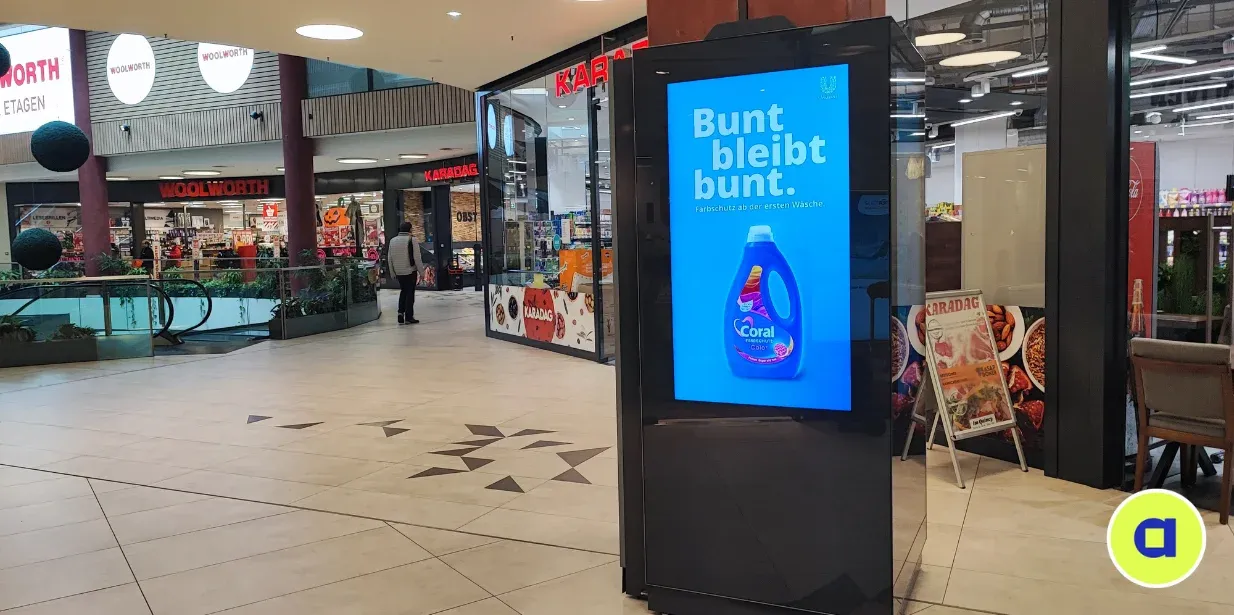
In today’s digital world, a CMS for Digital Signage has become an essential tool for businesses, institutions, and organizations aiming to display dynamic content on screens of any size. It not only simplifies the content management process but also enables the creation of an interactive and visually appealing experience for audiences. Thanks to content management systems (CMS), users can easily update information, tailor it to specific audiences, and analyze content effectiveness in real time.
The main advantages of using a CMS for Digital Signs:
1. Intuitive and convenient — A CMS provides access to all content management tools within a single interface. Through a web interface or mobile app, users can add new images, videos, information messages, update playlists, and adjust content for different screens.
2. Content customization — Depending on screen location or time zones, a CMS allows precise control over what content is displayed and when. This is extremely useful for networks with hundreds or thousands of screens across various regions, where each screen can show content tailored to its audience.
3. Interactive features — Many CMS systems allow the addition of interactive elements, such as sensors, cameras, or even integration with viewers’ mobile devices, greatly enhancing audience engagement and interaction.
4. Analytics and feedback — Many modern CMS for Digital Signs offer tools to analyze content performance, track the popularity of specific materials, and gather data on audience reactions. This helps optimize content strategy and increase campaign effectiveness.
5. Deployment flexibility — A CMS can be local, cloud-based, or embedded. For instance, a cloud CMS offers easy access to data from anywhere in the world, while a local version can be used where higher security or independence from the Internet is required.
A CMS for Digital Signs opens new horizons for marketing campaigns, customer information, and internal communication support within companies. It allows resource savings while providing highly efficient management of visual content across different types of screens. Modern CMS solutions not only simplify this process but also greatly expand opportunities for creativity, analytics, and real-time audience interaction.
A CMS directly works with digital screen players, delivering content, sending commands, and receiving feedback on their execution.
To understand how a CMS operates, imagine it as a control center that coordinates what, when, and on which screen content will play, similar to an airport dispatcher.
A typical CMS allows planning, configuring, monitoring, and troubleshooting content operations on any screen connected to the system.
Many CMS for Digital Signs enable users to create their own content using built-in graphic editors, with ready-made templates or by designing completely new layouts. This simplifies the development of digital advertising since, even without special skills, one can set up impressive visual content for display on screens.
The best management systems for Digital Signs allow editing any graphic elements, adding photos, videos, animations, and video effects, overlaying texts with custom fonts, and embedding data from external sources. These features enable the creation of multi-layered and multi-window compositions, transforming the screen into a true information hub where the viewer can see a maximum of useful information in an interactive format.
The Digital Signs player is also an important component, as it receives content from the CMS and broadcasts it on displays in various locations. A quality CMS should provide remote monitoring of each screen’s status in the network, becoming an essential element of your management system. It should inform about the current status of each screen, notify of possible issues, and allow remote system rebooting if necessary. This enables administrators to respond promptly to any malfunctions, ensuring the uninterrupted operation of the entire Digital Signs system.
There are different access models for Digital Signs CMS. Some offer a one-time payment for the software, after which the user can access it indefinitely. Others operate on a subscription model, where the client makes small regular payments for access to the system and all its updates. This approach allows for choosing the most convenient payment format based on the specific needs and scale of digital advertising.
The ultimate goal of using a CMS is to achieve maximum convenience and efficiency in managing content for Digital Signs. With CMS systems, companies can broadcast relevant and vivid content tailored to specific business requirements, ensuring high appeal of digital signs for the audience.
Analytics and feedback in Digital Signs systems
Modern screen software supports analytics functions, allowing businesses to track the effectiveness of advertising campaigns and gather insights on audience behavior. The collected data may include information on view duration, interaction count (in the case of interactive screens), and even reactions to individual content elements. For example, retail stores can assess how often customers pay attention to specific offers, adjusting their marketing strategies based on real data. The analytical capabilities of such systems are particularly useful for continually improving the content displayed on advertising screens.
Interactivity and audience engagement
Interactivity is another key component of Digital Signs technology. It allows audiences to interact with screens, turning static advertisements into dynamic tools for customer engagement. For instance, screens can feature touch elements, enabling users to search for additional information, register for events, or browse product catalogs. In restaurants, interactive screens can allow customers to place orders directly from the menu, reducing wait times and improving service quality.
Integration with other digital systems
One of the key advantages of Digital Signs software is its ability to integrate with other corporate systems, such as CRM (Customer Relationship Management), ERP (Enterprise Resource Planning), or POS (Point of Sale) systems. For example, in a retail network, a digital signs system can automatically update based on current stock levels or display information on special offers tied to specific locations. This kind of integration allows for the automation of many processes, increasing speed and accuracy.
Security and stability of Digital Signs systems
Reliability and security are essential aspects of any Digital Signs system, as they ensure uninterrupted operation and protection from unauthorized access. High-quality software for screens includes access control, data encryption, and regular security updates. Additionally, many systems support automatic content recovery after a power outage or malfunction, which minimizes interruptions in displaying advertising materials.
Benefits and effectiveness for various business sectors
Retail: Digital Signs helps stores create informative advertising displays, quickly change prices and announcements, and support interactive product catalogs, boosting sales and meeting customer needs.
Food service: Screens in restaurants can automatically change menus based on the time of day, display special offers, and even allow customers to place orders through an interactive interface, reducing staff workload.
Education: In universities and schools, Digital Signs is used to broadcast class schedules, announcements, event information, and other important updates, helping students stay informed.
The future of Digital Signs
With technological advancements, Digital Signs increasingly includes new features, such as AI support for real-time content personalization, augmented reality for interactive experiences, and innovative sensors that adapt content based on audience size and characteristics. This approach significantly enhances the effectiveness of advertising campaigns and creates new opportunities for businesses across many industries.
Advision — Content Management System for remote management and media planning of video and audio content broadcasting. We help offline businesses and advertising companies automate their workflows and implement a robust Digital Signs infrastructure using our proprietary software and hardware solutions.
Contact us, and we will help you implement the most modern technologies to solve your problems!


