
30% of global OOH advertising revenue comes from Digital Signage
OOH advertising: we are all well acquainted with outdoor advertising, which is now widely present in various formats.
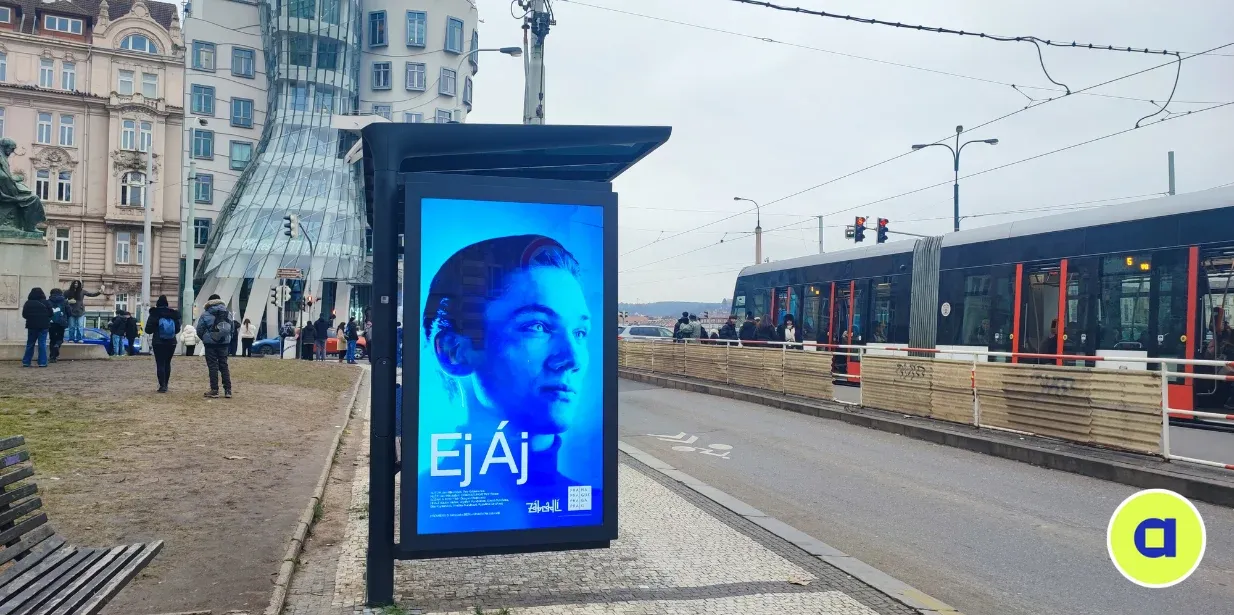
According to a survey conducted by Trailerad, 98% of people see billboards daily, and half of them note that such advertisements influence their purchasing decisions. However, many brands and consumers question how outdoor advertising works. Let’s examine the goals, main types of outdoor advertising, how it functions, and the benefits it can provide to businesses.
As the name implies, outdoor advertising is placed outside of indoor spaces. This marketing strategy involves showcasing information about a company, its products, or services on large advertising media outdoors. While billboards remain the most common format, digital signage is gaining popularity. It enables the display of multimedia content in real time using video wall software or digital signage players.
How does outdoor advertising work?
Outdoor advertising (also known as outdoor media) is one of the oldest and most popular marketing methods. In today’s environment, it remains an effective tool due to its scalability and accessibility. This type of advertising reaches audiences where other media cannot: on city streets, at metro stations, bus stops, or suburban highways.
Unlike indoor advertising, outdoor advertising, including DOOH (digital out-of-home advertising), is almost impossible to segment, but it offers extensive reach. This makes it an ideal option for promoting products targeted at a broad audience.
The main formats of outdoor advertising are print and digital. While traditional print remains relevant, digital technologies, such as pDOOH (programmatic digital out-of-home advertising), offer greater efficiency in terms of conversion, versatility, and profitability. Research shows that digital signage generates nearly 30% of global outdoor advertising revenue.
According to Technavio, the outdoor advertising market is expected to grow by $8.55 billion from 2020 to 2024, with a compound annual growth rate of nearly 4%.
In the U.S., the largest spending category in outdoor advertising is “miscellaneous services and entertainment,” with annual expenditures of approximately $2 billion. Other categories include retail, media, and the restaurant and hospitality sectors.
Investing in outdoor advertising is profitable for businesses. With the right approach to placement and content, it can boost brand recognition among potential customers, strengthen its reputation, and increase sales and revenue.
How does billboard advertising work?
A billboard is the most common type of outdoor advertising, widely used since the early 19th century. It is a standard large-format poster placed in popular locations with high visibility and traffic flow.
The effectiveness of billboards depends on their location. They are strategically installed along highways, busy city streets, intersections, bridges, and near popular spots such as city centers, tourist attractions, shopping malls, parks, or public transport stops.
According to a study by Arbitron National In-Car, 71% of people read billboard messages while in their vehicles, and over 38% make purchasing decisions based on what they see. About 56% remember the ads they encounter during trips and later share the information with others.
Billboards are constructed using vinyl coverings on large structures. Depending on production technology, billboards are categorized into the following types:
– Static: Stationary printed banners, often placed along high-traffic roads. These are ideal for delivering simple but memorable messages and are frequently part of a broader brand strategy.
– Mobile: Signs displayed on vehicles such as buses, taxis, or subway cars. They reach audiences across various city areas due to their constant movement.
– Digital: Interactive LED displays showcasing video ads, animations, or dynamic announcements. These screens are managed through DOOH software and allow real-time content updates.
Digital screens, or Digital Out Of Home (DOOH), offer flexibility in delivering advertising messages and create a greater impact with vibrant dynamic content. For example, these displays are commonly found on shopping mall facades, along busy highways, or in popular tourist areas like Times Square. Renting these screens is more expensive, but they enable brands to quickly adapt their advertisements to audience needs using modern tools like digital signage players.
Interactive billboards
Interactive advertising screens allow consumers to engage directly with them, offering brands new ways to captivate audiences. In 2016, Reebok installed an interactive display with a speed-tracking camera. Pedestrians who could run at 17 km/h received a pair of Reebok ZPump 2.0 sneakers as a reward.
Billboards featuring augmented reality (AR) elements are touch-sensitive screens that create an altered environment. They are the most original form of promotion in terms of design and content.
Transit advertising
Transit advertising refers to banners placed on vehicles such as buses, taxis, subways, trucks, or trains, as well as on waiting platforms.
This type of advertising is a modern marketing trend. While stationary billboards target people in a specific location, transit advertising reaches a broader audience due to its mobility.
Transit ads are typically printed graphics on the side panels of vehicles or vinyl wraps covering their exteriors. This is an effective way to capture the attention of tourists, passengers, and city dwellers. In large cities and densely populated areas, transit advertising becomes a key tool for increasing brand awareness.
The use of DOOH networks enables brands to integrate digital screens into transit advertising, adding interactivity and dynamism.
Point-of-sale advertising
Point-of-sale advertising includes banners, posters, and stands located near places where goods or services are sold—storefronts, kiosks, shopping malls, or restaurants.
This type of marketing is versatile for promoting any product, from food to tech devices. It becomes especially effective when LED screen software is used in such locations, as dynamic content on bright displays attracts more attention from pedestrians.
Point-of-sale advertising enhances brand recognition, drives store visits, and subsequently boosts sales volumes.
Wall advertising
Wall advertising is one of the largest formats of outdoor advertising. These are large displays or images on walls of buildings, construction sites, or other structures in densely populated areas with high pedestrian and vehicle traffic. Such banners may be painted or affixed to the exterior surface of buildings.
Bright wall images are often seen as part of urban beautification, contributing to positive brand perception. Their unique format and large size allow for the creation of memorable and impressive visual effects.
Thanks to their appeal, wall ads are often shared on social media and other digital platforms, enhancing their marketing effectiveness without requiring additional costs. The use of innovative DOOH Display Solutions integrates modern technologies into this format, adding digital elements to further engage audiences.
Street advertising in public spaces
Advertising in public spaces includes posters, signs, and digital displays that are easily noticeable. These are placed at pedestrian eye level in locations such as recreational areas, airports, train stations, gas stations, public transport stops, lamp posts, near pedestrian crossings, shops, or newsstands.
This format of advertising is a relatively low-cost way to promote to specific target audiences—drivers, pedestrians, or passengers. Using centralized video management systems in combination with digital media ensures effective content management and real-time adaptation of advertisements.
Objectives of outdoor advertising
The objectives of outdoor advertising depend on the specific marketing campaign. Key goals include:
– Delivering a clear, persuasive message to a broad audience that prompts action. For example, DOOH advertising enables unique selling propositions to reach the maximum number of consumers.
– Informing customers about a business’s products or services, their benefits, and prices. Prominent billboards, posters, and digital displays ensure a lasting impact on the target audience.
– Increasing brand recognition. A well-crafted advertisement with a logo, contact information, and a brief description of services in high-traffic areas leaves a positive impression and sparks interest in the brand.
High brand recognition enhances trust, improves reputation, and drives sales. With modern solutions such as DOOH Display Solutions, outdoor advertising remains an effective tool for increasing customer loyalty and business success.
Reaching a broad target audience
High-quality, visible outdoor advertising in densely populated areas ensures effective outreach to a wide target audience. Its constant visibility and accessibility capture the attention of even those consumers who are difficult to engage through other marketing methods.
Supporting competitiveness
Outdoor advertising helps companies make their presence known and secure a strong competitive position in the market. Continuous brand presence in public spaces maintains a competitive edge and effectively counters market rivals.
Keeping the brand in focus
Many successful brands, such as Coca-Cola and McDonald’s, consistently use outdoor advertising to stay in the spotlight. Strategically placed billboards and signs strengthen brand recognition and boost popularity.
Stimulating purchases
The primary goal of outdoor advertising is not just to enhance brand recognition but also to motivate the target audience to visit sales points, thereby increasing product sales.
A clear sign placed in a strategic location and supported by information about the brand’s benefits creates a positive impression and encourages consumers to make purchases.
Importance of location
The choice of location for placing a billboard considers both the physical and emotional state of the audience. For example, along highways, banners often feature offers for cafes or hotels that might be useful for drivers on the road. A brand’s ability to create a valuable promise that meets a person’s needs and fulfills that promise is the key to success.
Outdoor advertising is not just a means of capturing attention. It shapes impressions, builds connections between the brand and its audience, influences decisions, and motivates action. In today’s world, where competition for consumer attention is constantly increasing, a well-executed outdoor advertising strategy becomes a powerful tool for achieving marketing goals.
It is crucial to remember that success depends not only on eye-catching design or strategic placement but also on the brand’s ability to communicate in the language of its audience. Outdoor advertising is an art that combines creativity, technology, and an understanding of consumer needs. By investing in this communication channel, companies not only enhance brand recognition but also build long-term relationships with their audience, staying at the center of their attention even in the most dynamic environments.
Advision — Content Management System for remote management and media planning of video and audio content broadcast. We help offline businesses and advertising companies automate workflows and implement reliable Digital Signage infrastructure using our own software and hardware solutions.
Contact us and we will help you implement the most modern technologies to solve your problems!


