
Content management on 1000+ digital signage from a single platform
Large Digital Signage networks require effective tools for centralized media management, analytics, and broadcast scheduling control.
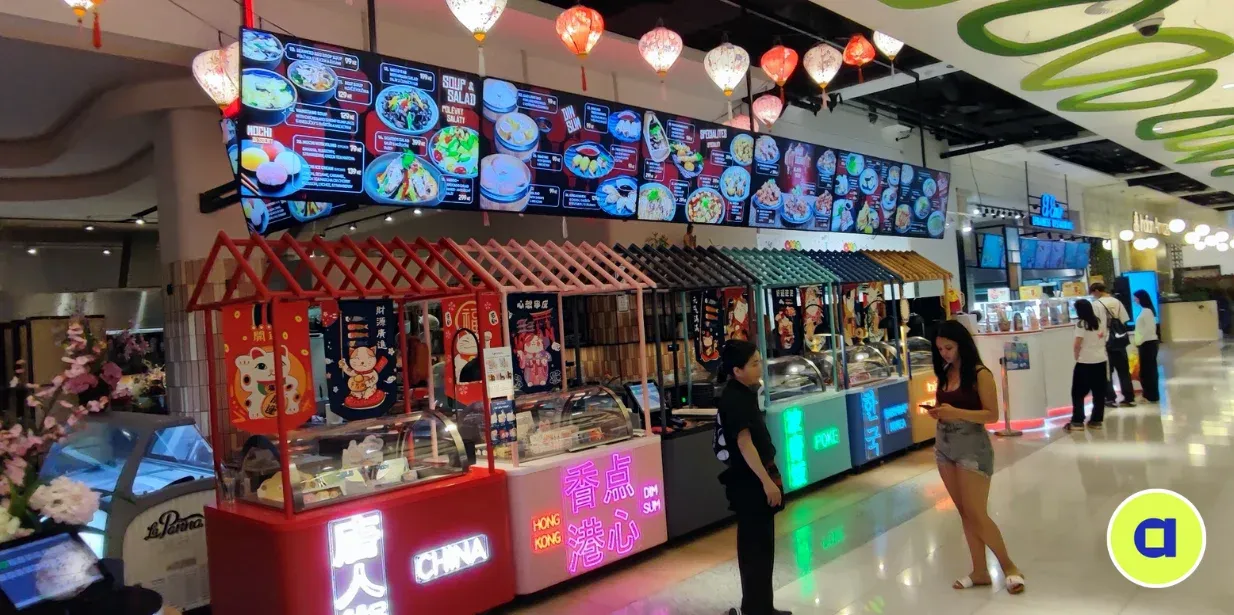
A well-chosen Digital Signage solution makes it possible to automate processes, avoid unnecessary costs, and significantly increase business profitability. With one platform, you can launch advertising campaigns, monitor equipment status, and create dynamic content for a digital menu or digital advertising. Below is a detailed guide that will help you understand the main stages of managing a large display network.
Choosing a platform for screen management
The first step is to decide on the right software for digital signage. It is important here to evaluate a number of factors:
– Scalability. Can the Digital screens software simultaneously support hundreds or even thousands of screens in different points of sale?
– Interface. How convenient is the control panel for daily work, content creation, and scheduling of broadcasts?
– Equipment monitoring. Does the system have the function of automatic alerts about technical failures, malfunctions, or firmware updates?
– Integrations. Can the Digital solution be integrated with other business systems: inventory management, CRM, or POS equipment?
– Analytics collection. How detailed is the platform’s campaign statistics — from display duration to interaction with content?
If standard Digital solutions do not meet the business requirements, it is worth considering custom development. Custom software for digital signage can be fully adapted to the specifics of business processes.
Centralized network management
The main advantage of comprehensive platforms is the possibility of centralized management of hundreds of displays. This means that regardless of the screen locations, the administrator receives a single point of access for:
– planning advertising campaigns and content schedules,
– promptly replacing materials in digital menus of restaurants or cafés,
– monitoring equipment status in real time,
– analyzing the effectiveness of digital advertising using detailed reports.
Thanks to this, companies can reduce costs for technical staff and improve the quality of network management.
Practical benefit for business
The use of a flexible and scalable platform for Digital Signage management helps businesses of various scales — from local points of sale to international retailers. A digital menu in restaurants becomes more dynamic and capable of quickly adapting to changes in demand. In the retail sector, digital advertising makes it possible to promptly launch new promotions while tracking customer feedback in real time.
Thus, a properly organized Digital solution is not only about screen management but also about building an effective marketing ecosystem. Centralized control, analytics, and integration with business processes make digital screens software a strategic investment for any business in modern conditions.
Setting up the central control panel
After choosing a platform for Digital Signage, it is worth moving on to the direct configuration of the screen network. This process consists of several stages that ensure stable system operation and convenient content management. The use of modern solutions such as a digital player, an Indoor TV player, or an Android media player opens up the possibility of centrally controlling a display network regardless of their location. If a business requires atmospheric audio accompaniment indoors, an indoor audio player becomes an appropriate solution, allowing audio content to be integrated into the overall system.
Initial setup steps
To create a full-fledged digital ecosystem, the following operations should be carried out:
– Install server and client software on the equipment that will be used for content management.
– Check the reliability of the Internet connection for all screens and their synchronization with the server.
– Register users with different access levels to ensure security and separation of rights.
– Import graphic layouts, photos, and videos into the platform’s file storage.
– Create a broadcast schedule and playlists for individual groups of screens.
– Distribute screens into zones and assign administrators responsible for their operation.
– Set up regular monitoring of equipment status to promptly respond to malfunctions.
Thanks to these preparatory steps, a company gets the opportunity to quickly launch advertising content and control its display from a single center through a cloud-based Digital screens system.
Process automation
Modern software solutions make work much easier through automation. The most important aspects are creating scenarios for launching media campaigns and automatic content rotation. Using templates not only speeds up the launch of new projects but also minimizes the human factor.
Automation provides:
– instant response to market changes or news triggers,
– saving employees’ time through systematized workflows,
– consistent adherence to content broadcast schedules,
– enhanced control thanks to real-time notifications about equipment technical status.
Practical benefit
Thanks to the implementation of Android media players or other specialized devices, a company gains the ability to scale the network with an almost unlimited number of screens and audio systems. This makes it easy to adapt digital advertising or informational campaigns to the needs of a specific industry — from retail and HoReCa to corporate offices and transportation infrastructure.
Proper configuration and process automation make the cloud-based Digital screens system a strategic tool that helps businesses effectively manage content, increase audience engagement, and reduce operating costs.
Data collection and reporting
For effective management of modern Digital screens networks, it is critically important to ensure accurate statistics collection and monitoring of all processes. A quality system should track not only the number of ad playback instances but also the condition of equipment, the operation of software modules, and the stability of the internet connection. This very approach makes it possible to increase trust in the tool and guarantee the stable operation of the entire network.
The role of analytics in business processes
Modern Digital screens platforms integrate powerful tools for data collection and report creation. This is especially relevant for retail and HoReCa, where digital menu boards and advertising screens are the main points of customer interaction. Thanks to detailed analytics, a business can clearly identify:
– which advertising materials generate the highest number of conversions,
– at what time of day the content shows the greatest effectiveness,
– which technical malfunctions require immediate intervention.
Automatically generated reports in the Digital screens system can be sent to marketing departments, administrators, or managers via email or internal CMS messages, which simplifies control over the entire network.
Use of CMS and centralized management
A modern CMS (Content Management System) for Digital screens solutions helps companies organize the workflow in a more structured way. It makes it possible to gain a complete overview of the entire system: from the level of audience engagement to the technical parameters of equipment. A centralized video management system provides the ability to manage hundreds or even thousands of objects across different regions from a single interface. This reduces the workload on local staff and increases business efficiency.
Practical significance of reporting
Thanks to detailed reports, management gains the ability to make well-founded business decisions. For example, if analytics data shows that certain clips in the Digital screens system are not bringing the desired result, they can easily be replaced with new ones without additional time and resource costs. This makes digital content more dynamic, adaptive, and effective in interacting with customers.
The combination of data collection, centralized management, and CMS tools creates a reliable foundation for the effective operation of digital networks. This provides companies with the opportunity to respond promptly to market changes, evaluate the effectiveness of their investments, and ensure customers a high level of content interaction.
In summary, it can be said that the competent use of analytics together with centralized management allows companies not only to maintain stable network operation but also to make more well-founded decisions. This becomes a key factor in increasing the efficiency of business processes and improving audience engagement.
Advision — Content Management System for remote management, media planning of video and audio content broadcasting and Supply-Side Platform for monetization of advertising time. Additionally, we are implementing a Wi-Fi tracking system to measure the quantitative indicators of the advertising audience. We help Digital Signage owners and DOOH advertising operators earn on advertising placement, automate workflows and build a reliable media infrastructure using AdTech and MarTech software solutions.
Contact us if you want to increase your profit and implement the most modern technologies to solve problems!


