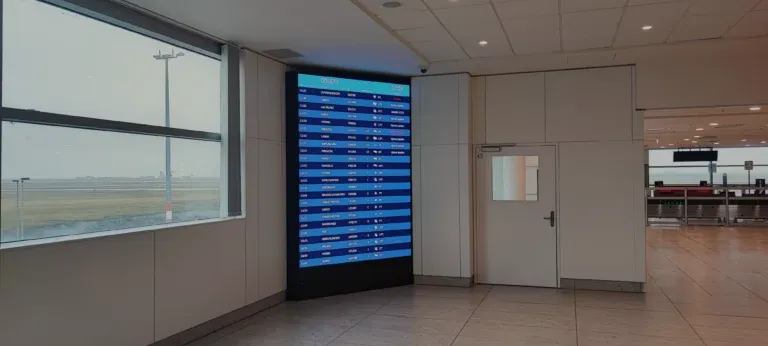
Selection of equipment for large digital signage networks in 2025
The organization of large-scale digital signage networks is a complex process that requires not only a strategic approach to content but also a deep understanding of technical aspects.
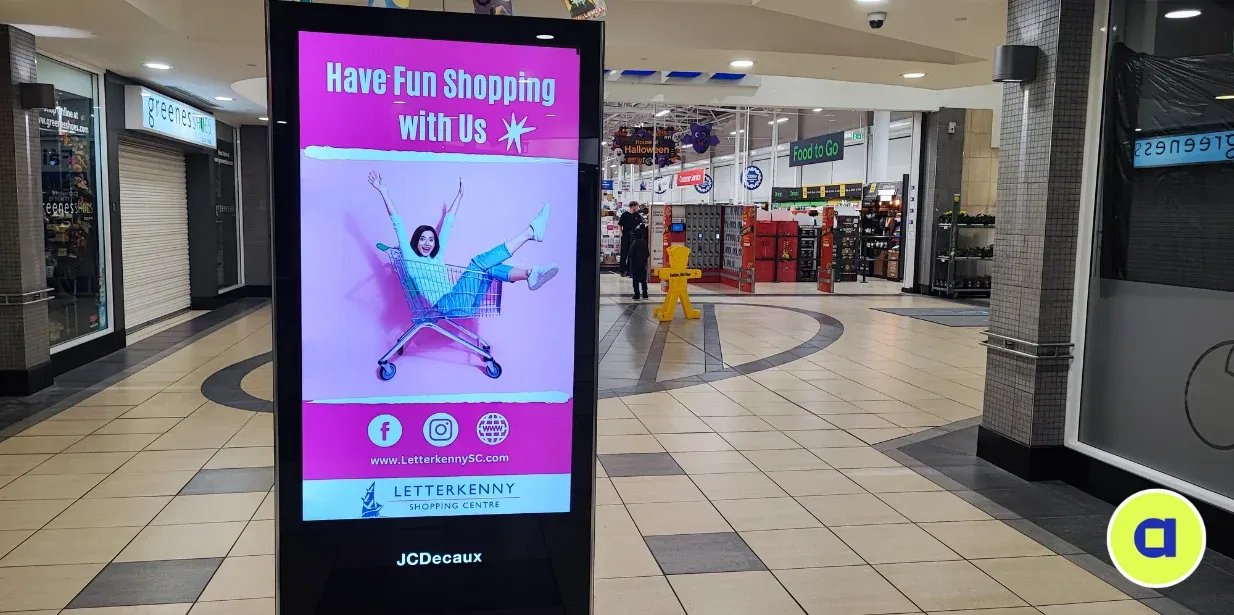
When it comes to hundreds or thousands of screens in different locations, the correct choice of equipment affects not only the visual presentation but also the efficiency of such a communication channel as digital advertising. A successful digital signage network must operate uninterruptedly, ensuring clear content playback, fast information updates, and minimal maintenance costs.
Functional features of large digital signage systems
In real conditions, large digital signage projects require a carefully designed architecture and a comprehensive approach to choosing technical equipment. Successful integration of advertising screens implies the uninterrupted functioning of every element in the system — starting with the digital signage player and ending with the servers for centralized content management. The loss of operability of even one node can lead to a halt of digital advertising on many screens, reducing communication efficiency and potentially affecting customer service negatively. In large shopping centers, airports, or retail chains, even a short stoppage of digital advertising often becomes a reason for losing part of the audience and direct losses for the advertiser.
– Integration of components: A properly selected digital signage player must be compatible with the media server, advertising display, and the entire digital signage infrastructure. This is especially important in large networks where hundreds or even thousands of devices operate on one platform, and any incompatibility can cause failures in digital ad playback.
– Reliability of solutions: For stable operation of digital advertising, professional advertising screens with powerful cooling systems are used, as well as media players capable of working 24/7 without performance loss. Excessively complex technical configurations can only increase the likelihood of unjustified downtimes, which is why leading digital signage equipment suppliers focus on simplicity and system cohesion.
– Remote management: The ability to control digital advertising, advertising screens, and digital signage players in real time allows timely reaction to content replacement, elimination of technical failures, and monitoring of equipment status even in distributed networks. Modern programmatic solutions in digital signage open up new possibilities for detailed monitoring and flexible adjustment of digital advertising for any business tasks.
– Long-term operation: High-quality digital signage equipment ensures risk minimization of downtimes and contributes to improved customer service. The use of reliable brands of digital signage players, dependable advertising screens, and automated diagnostic systems reduces the need for frequent maintenance and extends the service life of all system components.
For companies striving to remain competitive in the digital advertising market, it is fundamentally important not to save on basic components, but to bet on technological solutions that ensure reliable service and continuous content broadcasting even under the toughest operating conditions. This not only enhances the brand’s image but also directly influences the level of customer service improvement and the effectiveness of interaction with the target audience.
Impact on quality of customer service
An effective digital signage network is not just a tool for advertising broadcasts. It is part of a strategy to improve customer service. For example, in supermarkets, digital menu boards help customers quickly navigate the assortment, while in banks they provide information on queues and services. In transport hubs, advertising screens are combined with informational messages, which reduces the sense of waiting. All this creates a modern brand image and enhances the effect provided by competently implemented digital advertising.
Long-term benefit from investments
Although the initial costs for professional equipment may seem high, they quickly pay off through reduced downtime, energy efficiency, and ease of maintenance. Modern digital signage players support remote management, allowing content to be updated in real time in response to changing demand or weather conditions. This makes digital advertising not only more dynamic but also significantly more effective compared to traditional formats.
Main criteria for choosing equipment for modern digital networks
For the effective operation of large-scale networks, the digital signage system in shopping malls, business centers, or transport hubs needs to include a comprehensive approach to the selection of every technical element. Proper equipment implementation ensures stable content display, flexibility in updates, and reliability in long-term operation.
1. Types of screens
At the core of any digital signage network are precisely the displays, which form the corporate style and create the establishment’s image among visitors. It is important to choose a configuration that matches the usage intensity, brightness requirements, and area of digital message coverage.
Large LED screens are traditionally used for mall media facades, outdoor advertising, and areas with high attendance. They provide deep color reproduction and maximum brightness, which is advantageous for daylight conditions.
LCD panels for signage are often chosen for retail locations, indoor galleries, or information stands where high contrast, clear detail reproduction, and reduced power consumption are important.
Indoor TV is a universal solution for offices, hotels, restaurants, or gyms. These monitors are compact and adapted for advertising and informational video broadcasts in various scenarios. It is optimal to use software for indoor TV that enables centralized content updating, schedule creation, and real-time screen management even for extensive networks.
When it comes to equipment durability and backlight quality, it is best to give preference to professional models with 24/7 operation support—this guarantees uninterrupted advertising or informational content broadcasting.
2. Media players
A modern Android media player is the heart of the local digital signage system, which ensures not only fast content playback but also adherence to corporate standards. Key parameters: a productive processor, sufficient RAM, response speed to network commands, and compatibility with remote CMS.
Today, it is important to select media players that are compatible with corporate platforms, support modern video and graphic standards, and have backup and automatic software update functions.
An Android media player with cloud management capability enables efficient distribution of content to large LED screens, LCD panels for signage, or media facades for shopping malls.
Choosing the correct equipment is not only about the efficiency of the digital signage system but also reliable information security and the ability to scale the network according to business needs.
3. Servers and management systems
A centralized CMS (Content Management System) and server infrastructure form the foundation for coordinating the entire digital network, on which the stability of the digital signage system depends. A modern CMS provides monitoring of all devices, analytics of audience interaction, and secure data storage.
When choosing server equipment, it is advisable to consider processor power, the amount of RAM, and scalability options to serve a large number of screens at different sites.
Equally important is the existence of backup copies, functionality for quick recovery in the event of technical failures, and integration with cloud platforms to create a flexible and secure ecosystem.
Such a system allows remote content management, updates of informational complexes, and optimization of service costs for digital displays across the entire business.
4. Cable infrastructure
Another critical element of large digital networks is a high-quality cable system. It is what ensures stable connections between devices, fast data exchange, and synchronization of various screens and Android boxes within a digital signage solution. The optimal choice of wires and switching equipment significantly reduces the risk of downtime, data loss, or unreliable operation of digital menus and information complexes for clients.
– Special attention is paid to the cable’s bandwidth so that all content updates, as well as information announcements for clients, are delivered promptly and without failures.
– For reliable system operation, all cables should comply with the modern Ethernet standard, which guarantees compatibility with digital signage management software and other network components.
– Quality connectors, sockets, and patch panels are the basis for smooth functioning of Android boxes, digital menus, and advertising video stands even during peak loads.
Properly organized cable infrastructure allows integration of different types of screens, ensures fast content exchange between all devices, and enables connecting new digital signage solutions without complex redesign of the old network.
5. Power sources
A reliable power supply is the foundation of stable operation for digital menus, information screens, and the whole digital signage network. Uninterrupted power delivery prevents unexpected failures, information loss, or equipment damage, especially when the network contains sensitive Android boxes and servers for content management.
– A quality uninterruptible power source should have appropriate autonomous operation time so that, in case of main network outages, the digital signage system does not stop and continues broadcasting digital menus or important information for clients.
– Protection from voltage surges is also important. The UPS must effectively safeguard the entire infrastructure—from cables to Android boxes—and minimize the risk of expensive equipment failure.
– Installation and technical support of power sources play a significant role in long-term operation. Well-thought-out placement of the UPS will facilitate all repair work and modernization of the digital signage solution.
6. Monitoring and maintenance
For uninterrupted operation of a modern digital signage system, it is important to implement regular monitoring of equipment and prompt maintenance. These processes make it possible to promptly update content, monitor the status of Android boxes, and minimize the risks of unplanned failures. Tracking operational parameters, temperature conditions, network connectivity, and server load helps not only to detect potential problems in time, but also to plan preventive work.
– Automatic notifications about the technical state of equipment help avoid prolonged network downtime. Engineers can remotely analyze errors, perform diagnostics of devices, and instantly make adjustments to the complex’s operation.
– Periodic testing of device software allows timely introduction of new operational scenarios and optimization of interaction with content. This supports the relevance of content for clients and allows the system to be adapted to changes in business processes.
Responsible support and updating of key digital signage components is a guarantee of system stability, high-quality broadcasting, and quality customer service at any time.
7. Security and data backup
Protection of content and informational components holds an important place in the operation of large digital networks. Quality data protection and backup prevent information loss during emergency situations or updates. Encryption protocols, multi-level passwords, and access verification allow you to be confident in safeguarding corporate information from unauthorized intervention.
– Integration with a modern CMS makes it possible to limit system management access and protect menus and informational materials from unauthorized changes. Different levels of access make management convenient and secure for staff.
– Backups for software and content help quickly restore network operation during technical failures. Automatic backup significantly reduces downtime and allows businesses to maintain their reputation even in force majeure situations.
Comprehensive digital signage solutions that provide for data backup and protection enable a high level of stability for the entire digital network, regardless of scale or the number of connected devices.
Advision is a content management system for remote control, media planning of video and audio content broadcasting, and a supply-side platform for monetising advertising time. We also implement a Wi-Fi tracking system to measure quantitative indicators of the advertising audience. We help Digital Signage owners and DOOH advertising operators earn money from advertising, automate work processes, and build a reliable media infrastructure using AdTech and MarTech software solutions.
Contact us if you want to increase your profits and implement the latest technologies to solve your problems!