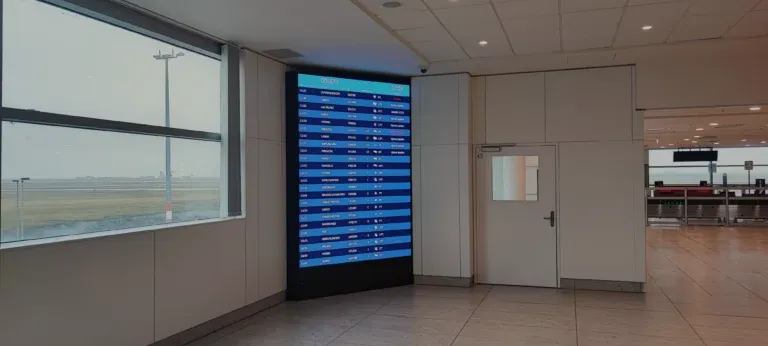
Digital signage: what 8 technologies are used to personalize content on digital screens
The digital signage system has become an important communication tool that goes far beyond the standard display of static messages.

Today, Digital Signage is capable of adjusting to the situation, reacting to external factors, and working with a specific group of people. Such an approach makes the content significantly more effective and creates the feeling that the message was created exactly for this moment and this audience.
Personalization of advertising content is becoming a key trend, because viewers need to receive information that corresponds to their interests, behavior, and the context of their presence. Users no longer perceive universal announcements — they expect relevance, accuracy, and specificity. That is why solutions for digital signage are gradually evolving toward personalized formats, where every fragment of video or animation reflects the current needs of customers.
Why is personalization important?
Personalization makes it possible for brands to create content that resonates with the real needs of people. Advertising that takes into account the behavior of buyers can form a stronger emotional connection and stimulate interest. For business, this means increasing the effectiveness of communication and strengthening audience loyalty. When a user sees a relevant message, their reaction becomes faster, and their decision — more considered.
In retail, personalization of content makes it possible to show offers that correspond to specific products, locations, or even the time of day. For example, the system can automatically enable morning offers or promotions related to increased demand at certain hours. All this is done through intelligent algorithms capable of changing content according to the situation in seconds.
Visualization of offers and promotions is especially beneficial in large stores, where the client simultaneously sees many products and can quickly get lost in the choice. Personalized prompts on the screens help focus attention on profitable options, and sometimes even encourage an impulse purchase.
Examples of personalization effectiveness
Personalized content has long proven its effectiveness. Statistical data from retail and Digital Signage show:
Purchase conversion increases by 20–30% when the client receives recommended products or relevant offers. This is explained by the fact that personalized advertising removes doubts and strengthens trust in the brand.
The level of customer retention increases by 15–20%, because buyers return to places where they feel an individual approach. This forms long-term loyalty and a positive experience.
The psychological effect of personalization also plays an important role. When a person sees content that matches their expectations or needs, they get the impression of special treatment. Such an experience improves interaction with the brand and stimulates repeated purchases.
What technologies are used for personalization?
1. Biometric sensors
Biometrics makes it possible to determine the gender, age group, and even the emotional state of the person who is looking at the advertising screen. Thanks to cameras and infrared sensors, the system can assess who exactly is interacting with the content and automatically change it for a specific category of viewers. This makes it possible to create more accurate display scenarios, where personalized digital advertising resonates with the real audience.
Such tools are especially useful in large shopping centers and chain retail, where it is important to quickly react to the demographic profile of buyers. Using software for digital signage, the business gets the opportunity to control analysis algorithms and optimize the content in real time.
Example: Intel integrated biometric technologies into the Starbucks café network, changing video content depending on the age of visitors, which made it possible to increase engagement and improve the relevance of displays.
2. Geolocation
The location of the viewer is one of the key factors for precise selection of information. Thanks to Wi-Fi, Bluetooth beacons, and mobile signals, the system can determine in which zone of the store the person is located and show personal offers that are relevant exactly for this place. This makes communication targeted and significantly increases the effectiveness of the content.
In large stores, geolocation makes it possible to display dynamic promotions, informational prompts, or product recommendations next to the consumer. Such scenarios work in combination with the Digital Signage player, which ensures smooth playback and prompt updating of materials.
Example: Walmart uses geolocation data to broadcast personalized discounts on digital signage in the departments where the customer is currently located. This increases the likelihood of a purchase and improves the customer experience.
3. Voice interfaces
Voice technologies make interaction with the screen as fast and natural as possible. The viewer can request information by voice, view additional details, or form an order — all this without physical contact with the device. This format is especially relevant for restaurants, self-service departments, and interactive kiosks.
Intelligent voice systems work in combination with audio design, which creates a more lively atmosphere. When voice commands are integrated with software for digital signage, the business can form complex interaction scenarios, respond to the user’s requests, and immediately show relevant materials.
Example: Burger King introduced voice control on digital menu boards, allowing customers to create orders using their voice. This reduced waiting time and decreased the load on staff.
4. QR codes and NFC tags
QR codes and Near Field Communication technology create a bridge between the physical space and the digital environment. It is enough to scan the code or bring a smartphone close to the tag to receive a personalized discount, access to additional materials, or participation in a bonus program. Such a mechanism makes the interaction fast, contactless, and convenient for the user.
For business, this is an opportunity to direct people to the necessary digital channel without complex interfaces. And when an LED screen is used on trade stands, brands can show prompts, instructions, or visual accents that encourage the customer to perform an action. Integration with the content management system (CMS) makes it possible to update such materials at any moment and adjust them depending on the activity of visitors.
Example: L’Oréal actively uses electronic stands with interactive content, where the buyer can scan a code and receive a personalized catalog of cosmetics and recommendations in a few seconds.
5. Big Data and machine learning
Big data and machine learning algorithms make it possible to create accurate audience profiles, analyze their behavior, and predict future actions. Based on such models, companies can launch content that corresponds to the purchase history, interests, or behavior of a person in a specific location. This significantly strengthens the personalization of the offer for clients and increases the effectiveness of visual scenarios.
Data comes from CRM systems, online analytics, social networks, and even results provided by digital advertising analytics. The system evaluates demand dynamics, reacts to behavior patterns, and automatically adapts the content to the situation. Thanks to this, the business receives not just the display of information, but a full-fledged forecasting platform.
Example: Dubai International Airport uses big data for personalization of advertising offers, taking into account the passenger’s route, flight time, travel history, and shopping priorities in duty-free.
6. Interactive screens for feedback
Another direction of personalization is interactive surfaces that allow customers to interact with the brand in real time. On such displays, it is possible to leave reviews, evaluate service, choose products, or view a dynamic catalog. Interactivity increases engagement and gives brands valuable data for further content adjustment.
When such solutions run on Android media players for digital signage, companies can scale the system to any spaces — from stores and cafés to exhibition zones. And the connected Android set-top box makes it possible to quickly update content and launch complex interactive scenes without additional equipment.
Interactive platforms work especially effectively together with visual prompts and adaptive scenarios. The customer chooses what is interesting to them, and the system records the choice and uses it for future recommendations. This forms a personalized experience and allows brands to understand the real needs of the audience much more deeply.
7. Integration with mobile applications
Mobile applications make it possible to create a deeply personalized experience, combining the usual interaction of the user with the smartphone with intelligent digital signage in the physical space. When the client approaches the point of sale, the system can receive signals from their application (with the user’s consent) and show promotions or recommendations that correspond to previous purchases or interests.
Mobile applications also allow sending push notifications that complement the content on the digital signage. For example, a person sees information on the display, and at the same time a promo code or an instruction on how to use the product arrives on their phone. This forms a single interaction ecosystem and increases conversion both at the offline point and in the mobile environment.
In large chains, such integration makes it possible to build customer routes, personalize showcases, and also conduct A/B tests of different content scenarios, quickly understanding what works better for this specific category of audience.
8. Touch panels with contextual content
Touch screens are becoming increasingly popular thanks to their ability to give the customer control over what they want to see. Such panels make it possible to view catalogs, choose product options, sort offers, or interact with interactive elements directly in the store, in the shopping area, or in the self-service department.
Contextual content that changes depending on the user’s actions creates the impression of an individual consultation. The system can adjust the interface in real time — if the customer lingers on a certain product, tips, additional characteristics, video demonstrations, or reviews may appear on the screen.
Such touch solutions are considered one of the most effective tools of modern personalization, because they collect not only demographic data but also data about the user’s real intentions: how long they viewed a product, which parameters they selected, which pages interested them the most. This gives brands valuable insights and increases the accuracy of future marketing campaigns.
Personalization technologies create a new standard of interaction between the brand and the customer. Thanks to the combination of data, interfaces, and digital carriers, the business gets the opportunity to speak to the audience more precisely, faster, and more meaningfully. Interactive formats, analytics, and adaptive content form an experience in which each customer feels important, and companies receive measurable benefits and stable growth of communication efficiency.
Advision is a content management system for remote control, media planning of video and audio content broadcasting, and a supply-side platform for monetising advertising time. We also implement a Wi-Fi tracking system to measure quantitative indicators of the advertising audience. We help Digital Signage owners and DOOH advertising operators earn money from advertising, automate work processes, and build a reliable media infrastructure using AdTech and MarTech software solutions.
Contact us if you want to increase your profits and implement the latest technologies to solve your problems!