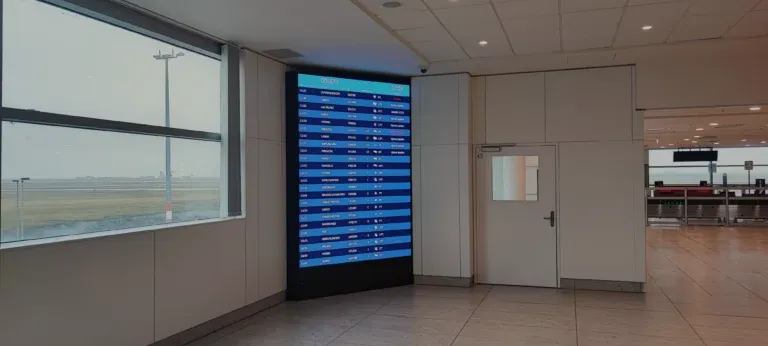
Digital indoor advertising stimulates purchases – 7 useful tips
Digital indoor advertising stimulates purchases: shopping and entertainment centers (SECs) have always been places of active movement and consumer activity.
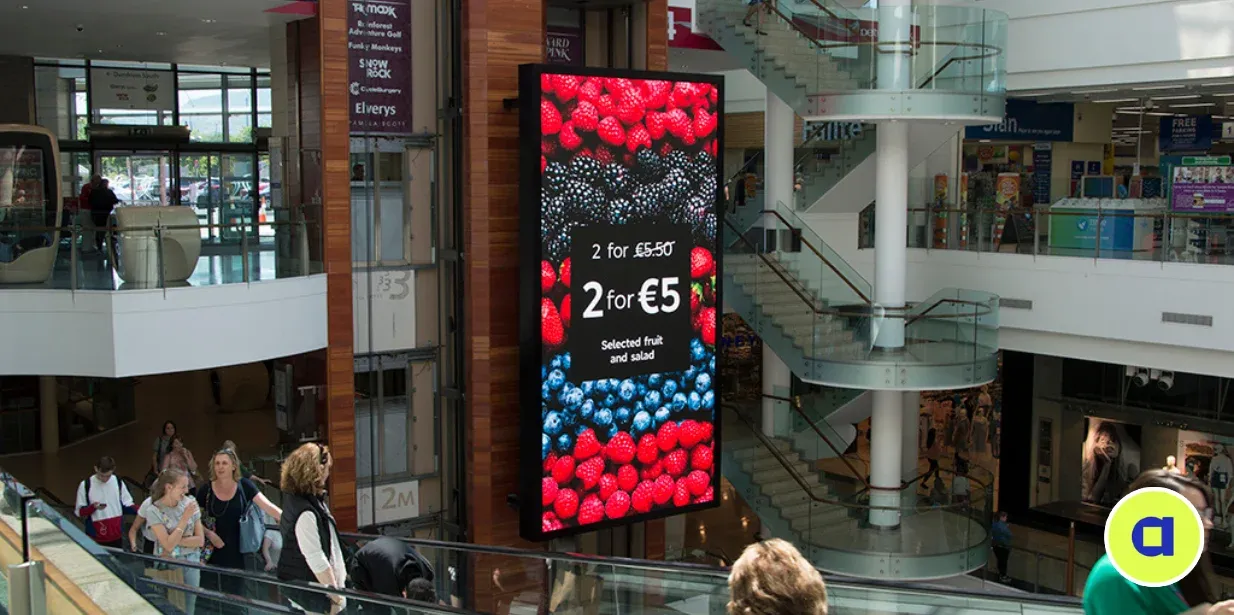
Thanks to the high level of traffic and the attention of visitors, they have become attractive places for advertisers looking for new ways to attract consumer attention and stimulate purchases. One of the most effective means of promotion in SECs is digital indoor advertising, which uses media facades, digital signage, advertising screens, and other interactive technologies to achieve maximum impact on the audience.
Indoor advertising is messages displayed on screens and static advertising structures inside buildings. This type of advertising covers all formats of advertisements located inside commercial, office, and other public buildings.
In shopping centers, advertising not only promotes brand products but also provides an excellent opportunity to disseminate information among a dense flow of people. And advertising can be placed in SECs practically on any surface, including the floor.
Proper placement of advertising structures is guaranteed to increase SEC sales several times over. Customers unknowingly pay attention to what is displayed on the bright screen, receiving an additional incentive to make a purchase. We offer you useful tips that will help build the right communication channel to increase sales.
Regarding the types of structures installed in shopping centers:
Static structures. These include: signs, banners, banners, stands, and shelving units, pylons, and lightboxes.
Scrollers or roller displays are lightboxes equipped with a banner scrolling system and internal lighting. Convenient because multiple advertising offers can be placed simultaneously, but they can only display static images.
Digital structures have many advantages and are divided into 2 technological types – LED and LCD screens. These can be various digital screens, pylons, or panels. Digital advertising allows displaying dynamic and vivid advertising videos that attract attention.
Regarding the places where advertising formats can be placed in shopping centers:
Interfloor overlaps. Placing advertising in this area enhances the image of the advertised brand and draws attention to its status, as well as shapes the image of the SEC itself.
In the halls of the SEC, advertising placed on digital structures will be most effective.
Lobby areas. Advertising placed near elevators is an excellent means of promoting products and services in the SEC and stimulates visitors to make impulse purchases.
Storefronts are what the buyer pays attention to before entering.
In the cashier zone, customers spend a considerable amount of time waiting in line.
Store departments. Advertising on these screens can draw customers’ attention to a specific product, influence their choice, or offer them a favorable option.
Islands are also an effective marketing tool, and their main advantage is the maximum viewing angle.
Food courts. To successfully operate a cafe or restaurant, it is important to actively attract the attention of potential customers and inform them about your offers.
Cinema. While waiting for the session, people willingly immerse themselves in information, and advertising placed on digital screens, lightboxes, or scrollers captures all their attention.
Parking lots. The main advantage of placing advertising in parking lots is the absence of distracting factors. Against the gray concrete background, everything bright attracts attention.
These simple tips will help maximize the effective use of advertising structures in shopping centers and attract the attention of the maximum number of customers.
Media facades for shopping centers: The first step towards innovative marketing
Media facades are one of the key elements of digital indoor advertising in shopping centers. They represent huge screens located in strategic locations of the shopping center, such as entrances or central locations. Thanks to their high brightness and quality image reproduction, media facades attract the attention of visitors, creating a unique spatial visual environment. This is an ideal channel for displaying advertisements for goods and services, which can effectively stimulate purchases.
Digital signage system and software for Indoor TV: Technologies that change the rules of the game
Specialized systems and software are used to manage digital signage and Indoor TV in shopping centers. These tools allow advertisers to effectively control content, place advertisements at the right time, and tailor advertising messages to specific targets. Players for Indoor TV, players for digital signage, as well as software for Indoor TV and displays are the main tools that help advertisers attract audience attention and stimulate purchases.
Interactivity as a key element of successful digital indoor advertising
One of the advantages of digital indoor advertising is the ability to interact with the audience. Thanks to interactive elements such as touchscreens or QR codes, visitors can get more information about products and services, or even make a purchase on the spot. This creates additional opportunities for customer engagement and increased conversion.
Indoor audio advertising is a format of advertising that is broadcasted in enclosed spaces. It consists of sound announcements or audio clips that can be used to promote products, services, brands, or other marketing purposes.
Indoor audio advertising can have various formats, including:
One-time announcements: short, simple messages that are broadcasted once during a specific period of time.
Cyclical announcements: messages that are broadcasted cyclically over a certain period of time.
Dynamic announcements: messages that can change according to current marketing needs.
Indoor audio advertising can be placed on various mediums, including:
Acoustic systems: the most common type of medium for indoor audio advertising. They can be installed in various indoor spaces, such as shopping centers, stores, restaurants, cinemas, and others.
Mobile devices: indoor audio advertising can be broadcasted on mobile devices such as smartphones and tablets. This allows advertisers to target their ads to specific audiences.
Voice activation: indoor audio advertising can be activated using voice commands. This allows advertisers to create a more personalized experience for their customers.
For shopping centers, the use of audio advertising can be an additional tool to attract the attention of visitors and stimulate them to make purchases. Media facades, digital signage systems, and specialized software can enhance the effectiveness of advertising campaigns, providing interactivity and a personalized approach to the audience.
Conclusion
Digital indoor advertising in shopping centers is a powerful tool for stimulating purchases and attracting consumer attention. The use of media facades, digital signage, and other interactive technologies allows advertisers to create effective campaigns that not only attract attention but also increase sales volumes. Careful planning and the use of specialized systems and software enable advertisers to achieve the best results in this dynamic and competitive environment.
Advision is a Content Management System for remote management and media planning of broadcast video and audio content. We help offline businesses and advertising companies automate workflows and implement a robust Digital Signage infrastructure using our own software and hardware solutions.
Contact us, and we will help you implement the most modern technologies to solve your problems!