
Possibilities of CMS for Digital Signage in 2025
Digital Signage: Systems for remote content management have changed significantly over the past 10 years.
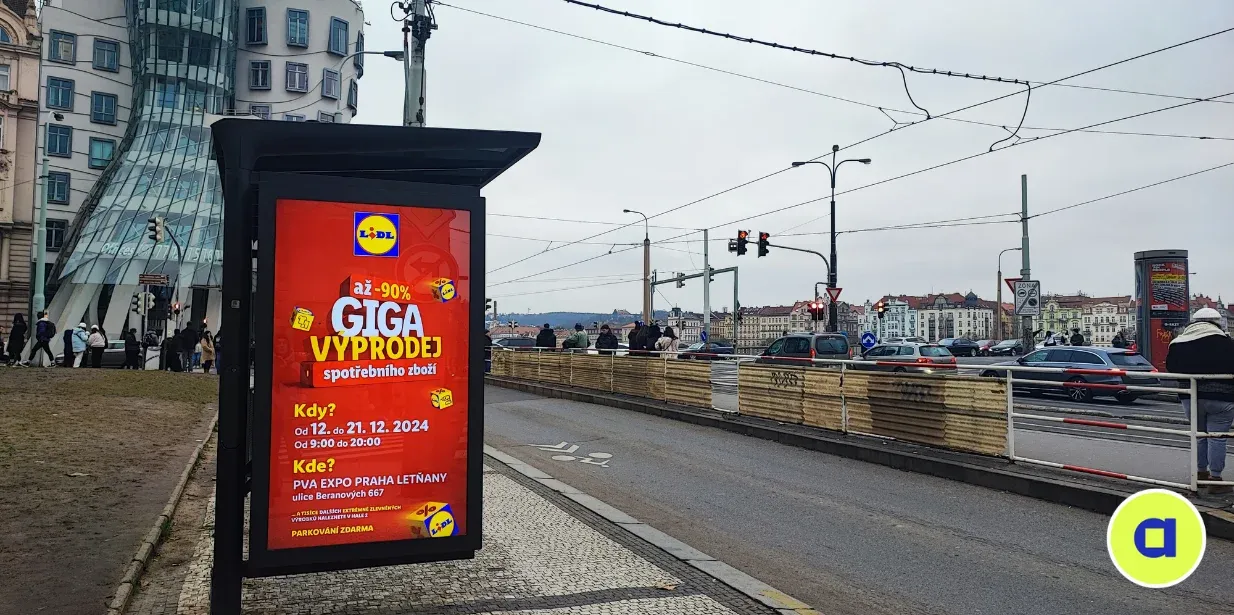
A CMS (Content Management System) is specialized software for digital signage that allows you to create, edit, and manage various types of content (images, videos, text, data, etc.) broadcast on digital screens. Thanks to the CMS, digital advertising becomes manageable, flexible, and personalized for different audiences. For example, in retail or food service, a CMS is used to organize a digital menu, enabling rapid changes to prices, promotions, or the assortment of dishes at any time, even remotely.
Regardless of whether you need to broadcast content on a single display or thousands of screens in different locations, a CMS for digital signs provides a convenient set of tools for centralized content management from a computer or mobile device. This enables a quick response to market changes, launching new advertising campaigns, or informing customers about current news, using a digital signs player as the main playback device.
Key features of CMS for Digital Signage in 2025
A modern digital signs system includes a wide range of functions that ensure effective management of digital signs:
– Built-in graphic editor for creating information pages, allowing you to design unique visual solutions for digital menus or advertising messages.
– Ability to create playlists, set the duration for each content element, and distribute it across different screens.
– Support for remote management: an administrator can change content on any digital sign or group of screens regardless of their location, which is especially important for retail or restaurant chains.
– Integration with external data sources (time, weather, RSS, XML, HTML, online streams, sensor data), making digital advertising as relevant and useful as possible for the audience.
– Ability to monitor equipment status and remotely configure digital signs player parameters, increasing the reliability of the entire system.
– Availability of an API for integration and operation with other client systems.
How CMS works in a Digital Signage system
A CMS for digital signs directly interacts with playback devices—these can be media players, integrated displays, or specialized controllers. The system sends them content, manages its schedule, and receives feedback on task execution. An easy way to imagine a CMS in action is to think of a mission control center that coordinates what, when, and on which screen will be broadcast. This approach makes it easy to organize digital menus in restaurants, launch large-scale advertising campaigns, or inform visitors in shopping malls.
A typical CMS for digital signs enables planning, configuring, monitoring, and troubleshooting content playback on any connected screen. If content is the “king,” then the CMS is the “brain” of the entire digital signs system, ensuring its efficiency and integration with other IT solutions.
Types of CMS for Digital Signage
Content management systems for digital signs come in different types:
– Local: the software is installed directly on the computer that controls the digital screens.
– Cloud: management is carried out through a web interface, and content and schedules are stored on remote servers, which provides flexibility and scalability for large networks.
– Embedded: the CMS can be integrated into the digital signs player or even into the display itself, which simplifies system deployment and maintenance.
Advantages of using software for Digital Signage
The use of modern software for digital signs and Digital Signs systems provides a number of advantages:
– Improved customer experience thanks to up-to-date and personalized information on digital menus or advertising screens.
– Effective digital advertising: the ability to quickly launch new promotions, change promo materials, and analyze audience reaction.
– Flexibility and speed of content updates: changes can be made instantly, even for a large network of screens.
– Centralized management: the entire network of digital signs is controlled from a single center, which simplifies administration and ensures brand consistency.
Additionally, modern CMS for Digital Signs often have analytical tools that allow you to collect data on audience interaction with content, optimize advertising strategies, and increase the effectiveness of digital advertising.
Flexible content scheduling for indoor TV
One of the key functions provided by quality software for Indoor TV is the ability to flexibly schedule content playback. Thanks to this feature, content on digital menu boards or advertising Indoor TVs can be launched exactly when and where it is needed, taking into account time zones, the operating mode of the establishment, and other location features. This makes it possible to deploy scalable networks of digital screens using an Android set-top box or a specialized player for Indoor TV, and to centrally manage the entire system even from different cities or countries.
Content creation and editing
Modern software for Indoor TV is often equipped with built-in graphic editors that allow you to create your own content without involving external designers. Users can use ready-made templates for digital menu boards or create unique compositions from scratch, adding photos, videos, animation, text blocks, and integrating data from external sources. This makes digital communication more dynamic, and digital menu boards more attractive to visitors.
Advanced design capabilities
The best software for Indoor TV allows you to edit any graphic elements, add video effects, use custom fonts, and create multi-layered, multi-screen compositions. Thanks to this, even free software for screens can turn an ordinary display into a real information center that quickly responds to the needs of the business or audience. For example, in restaurants, digital menu boards can be quickly updated according to changes in the assortment or promotional offers.
Remote monitoring and management
An important advantage of modern CMS for Indoor TV is the ability to remotely monitor the status of each screen in the network. The administrator can see the status of each Android set-top box or Indoor TV player, receive notifications about possible issues, and remotely restart the playback system. This significantly increases the reliability of digital menu boards and reduces response time to technical failures.
Flexible licensing models
Another feature is the variety of licensing models. Some solutions offer free software for screens with basic functionality, while others provide paid subscriptions with advanced features such as analytics, IoT integration, or support for large networks. This allows you to choose the optimal option for any business, regardless of the scale of the Indoor TV network.
Choosing the optimal software
Whatever CMS or Indoor TV software you choose, it is important to ensure that it has an intuitive interface, a convenient control panel, support for remote administration of Android set-top boxes and players, automatic updates, and high-quality technical support. Such solutions will help you make the most effective use of digital menu boards, ensure stable operation of Indoor TV, and make digital communication modern and effective.
Digital orchestra: when every screen plays in harmony
Imagine a modern retail space where every advertising screen is not just a device, but part of a large digital orchestra performing a unique brand symphony. This is exactly how advanced Digital Signs solutions work, uniting all Android media players, digital menu boards, and advertising panels into a single centralized video management system. Thanks to this, even the most complex marketing ideas are implemented with ease, and content changes happen instantly—regardless of the number of screens or the geography of your network.
Today, digital technologies make it possible not just to broadcast information, but to create a lively, interactive space where every advertising screen becomes a point of contact with the customer. The centralized video management system allows you to manage this space with the precision of a conductor, ensuring the synchronization, relevance, and flexibility of all messages. And the use of modern Android media players makes deploying the network extremely simple and scalable.
With the implementation of innovative Digital Signs solutions, your business receives not just a tool for displaying advertisements, but a powerful communication channel that creates emotions, builds trust, and motivates action. Real magic begins where technology becomes part of your service philosophy, and every screen becomes the living voice of your brand.
From now on, your advertising screens are not just information carriers, but intelligent participants in the great digital story you create together with your customers. And it is the centralized video management system that will help make this story bright, coherent, and truly unforgettable.
Advision — Content Management System for remote management and media planning of video and audio content broadcast. We help offline businesses and advertising companies automate workflows and implement reliable Digital Signage infrastructure using our own software and hardware solutions.
Contact us and we will help you implement the most modern technologies to solve your problems!


