
Digital signage: 3 examples of using automation in advertising campaigns
Digital signage: In today’s business environment, the ability to make quick decisions is extremely important.
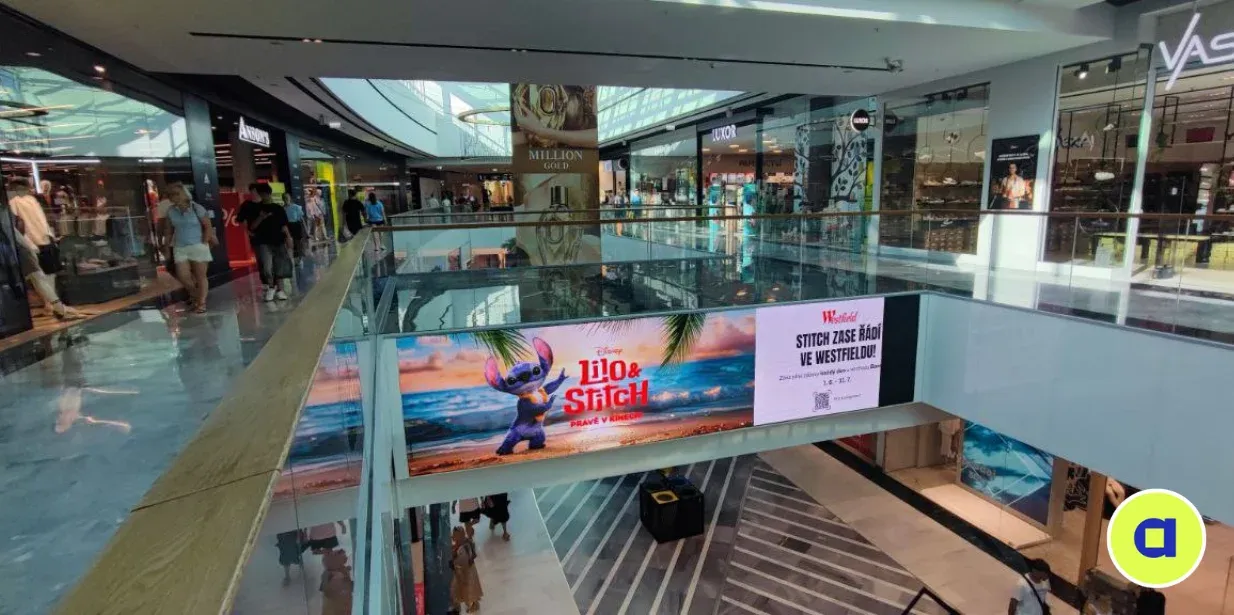
The effectiveness of task execution is crucial for success in any field of activity. This is especially relevant for digital advertising, where it is important not only to attract the audience’s attention but also to promptly respond to market changes and consumer behavior. The use of Digital Signage opens up new opportunities for organizing advertising campaigns: thanks to innovative technologies, companies can quickly launch new promotions, test different message formats, and analyze effectiveness in real time. This allows not only to increase the efficiency of marketing efforts but also to provide a competitive advantage in the market.
Advantages of automating advertising campaigns
Traditional manual management of campaigns on digital signage often requires significant time and human resources, especially when it comes to large networks or frequent content changes. Thanks to the implementation of modern solutions, such as digital signage software, most routine processes — from schedule planning to updating information on screens — are automated. This enables marketers to focus on strategic tasks, such as data analysis, developing creative concepts, and optimizing advertising budgets. Businesses gain the ability to quickly scale their campaigns without additional personnel costs.
The human factor always carries the risk of errors, especially with repetitive or monotonous actions. Automation with the help of a modern digital signage player minimizes these risks, ensuring accuracy and operational stability. For example, the system automatically updates content according to a set schedule, which eliminates the possibility of missing important messages or displaying outdated information. This is especially important for large retail media networks, where even a minor mistake can affect the campaign’s effectiveness and the brand’s image in the eyes of consumers.
Automated platforms allow you to quickly adapt advertising content to current market needs or changes in the behavior of the target audience. For example, using digital signage software, you can instantly change the display schedule, add new promotions or special offers, responding to weather conditions, local events, or holidays. Such flexibility allows brands to always stay one step ahead of competitors and effectively use all the opportunities of digital advertising, attracting new customers and increasing the loyalty of regular buyers.
Modern solutions in the field of digital signage easily integrate with other marketing tools, such as CRM systems, analytics platforms, or mobile applications. This allows you to create comprehensive campaigns in the field of retail media, combining digital signage with online advertising, social networks, or email marketing. This approach helps to form a unified brand promotion strategy both in physical stores and in the online environment, increasing brand awareness and customer loyalty. Thanks to data integration, companies can better understand their audience and personalize communication, which positively affects the results of advertising campaigns.
How does advertising campaign automation work?
Automation in the field of digital media opens up new opportunities for business. A modern Digital Signage system allows companies not only to broadcast video and graphics, but also to integrate audio design, which creates a powerful emotional impact on the audience. The implementation of such solutions significantly increases the effectiveness of communication and helps to quickly respond to changes in demand or market conditions.
One of the main advantages of automation is the ability to plan the display of advertising materials in detail. Indoor TV software allows you to create an exact broadcast schedule for different screens in different locations. You can set specific dates, hours, or even minutes for showing certain content. This is especially useful for seasonal promotions or special offers that need to be launched at a specific time. With the help of a CMS (Content Management System), administrators can easily make changes to the schedule without spending extra resources.
Centralized content management has become possible thanks to modern digital solutions. Updating information on screens, adding new videos, or changing audio design is carried out remotely and quickly. This is especially relevant for large networks where the number of Indoor TVs can be significant. A CMS (Content Management System) allows you to store, organize, and distribute different types of content, ensuring the relevance and timeliness of information for each specific location.
Automated solutions provide advanced opportunities for collecting statistics and analyzing campaign effectiveness. Indoor TV software records the number of displays, viewing duration, and audience reactions. Thanks to this, marketers can quickly evaluate results, compare the effectiveness of different approaches, and adjust strategy in real time. The Digital Signage system helps to make informed decisions to increase the return on advertising investment.
3 examples of successful use of automation in advertising campaigns
1. Retail
Large supermarkets actively use digital screens to display personalized offers. For example, thanks to the integration of the content management system with a weather service, on a hot day the system can automatically show ads for cold drinks, and in cold weather — promotions for coffee, tea, or hot pastries. Timely content updates are provided by modern automatic management tools, which allow for quick reactions to demand changes using triggers.
2. Hotel business
Hotels use automation to inform guests about current events, special offers, and services. On screens in the lobby, conference halls, and rooms, the schedule of events, restaurant menus, or information about available rooms is broadcast. Additionally, audio design with advertising helps create a unique atmosphere and emphasize the style of the establishment. Integration with the hotel’s CRM and centralized management through CMS allows for quick content changes on all screens depending on business data.
3. Transport sector
Bus stations, railway stations, and airports use digital solutions to inform passengers about schedules, flight delays, or route changes. Software for transport Indoor TV allows information to be updated promptly, which minimizes misunderstandings and increases the level of comfort for passengers. It is also possible to automatically display ads by geo-targeting depending on the transport route, linking them to advertisers located along its path. Audio design as an additional advertising channel can also be used during tourist tours, attracting attention to important announcements.
Flexibility for any business
Modern technologies allow multimedia solutions to be adapted to the needs of different companies. The use of an Android set-top box makes it possible to quickly connect a new screen to the network without complicated settings or additional equipment. This is especially valued in dynamic industries where the ability to promptly change information for clients is important.
Reliability of playback and management
For stable broadcasting of video and graphics in indoor spaces, an Indoor TV player is ideal. Such a device ensures uninterrupted operation even in 24/7 mode, allowing companies not to worry about failures or delays in displaying important content. Flexible settings and support for various formats make this tool universal for any tasks.
Availability of digital tools
One of the advantages of the modern market is the emergence of free software for screens. Thanks to such solutions, even small businesses can effectively manage their content, quickly update information, and launch new advertising campaigns without additional financial costs. This opens the door to digital transformation for a wider range of businesses.
Centralized management for large networks
When it comes to large companies or chains of establishments, it is important to be able to control all screens from a single center. A centralized video management system allows administrators to promptly change broadcast schedules, launch promotions for specific locations, and track the effectiveness of displays in real time. This significantly increases the flexibility and efficiency of marketing efforts.
Integration with other communication channels
Digital Signage solutions today are not limited to video broadcasting. They allow the combination of various communication channels, including integration with mobile applications, social networks, and even analytical platforms. This creates a multichannel approach to audience interaction and allows for maximum personalization of messages for each client.
Versatility of modern devices
An Android media player is an example of a device that combines ease of use with high functionality. It supports various content formats, easily integrates with other management systems, and ensures stable operation under any conditions. Thanks to this, companies can be confident in the quality and continuity of broadcasting, regardless of the scale of the project.
Advision — Content Management System for remote management and media planning of video and audio content broadcast. We help offline businesses and advertising companies automate workflows and implement reliable Digital Signage infrastructure using our own software and hardware solutions.
Contact us and we will help you implement the most modern technologies to solve your problems!


